Volunteer with Slava Mountain Medicine
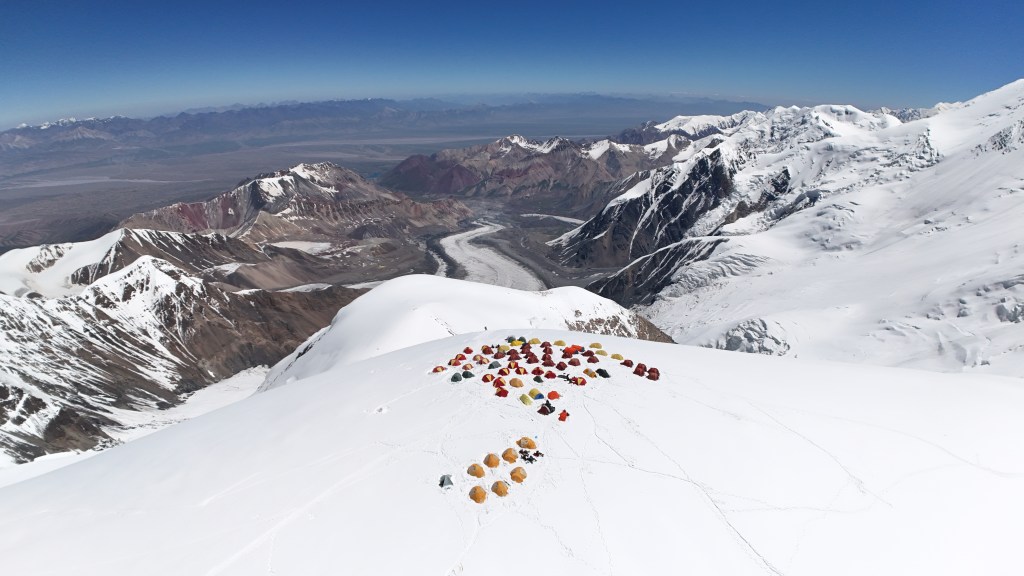
Every season, our volunteer medics deliver frontline-standard clinical care at Base Camp (3,600m) and Advanced Base Camp (4,300m) on Lenin Peak, while contributing to research that’s helping shape how high-altitude medicine is practised in the field. Below you’ll find all the information regarding our recruitment.
Who we’re looking for
We take a genuine mix of clinical grades and backgrounds – from junior clinicians through to consultants – and welcome applications from all registered healthcare professionals, including doctors, paramedics and nurses.
While we’re open to applications from anyone who doesn’t hold the Diploma in Mountain Medicine (DiMM), it is our preference, and applicants who hold it – or are working towards it – will be prioritised in selection. Alongside this, we’re looking at the combination of your clinical experience and your personal mountain/expedition background. We’re looking for people who can work confidently within their scope of practice in a remote, resource-limited environment, and who are realistic about the physical demands of the role – including the regular hike between our two clinics.
Life on the mountain
You’ll be based at either Base Camp (3,600m) or Advanced Base Camp (4,400m), running clinics for climbers, trekkers, guides, porters and the local community. Medics rotate regularly between the two sites, which involves a sustained high-altitude hike carrying your own kit – a genuine physical demand of the role, separate from clinical competence.
Our clinic runs general consultations between 2pm and 5pm each day, but the team is on call outside of these hours for anyone acutely unwell or in an emergency – altitude illness and injury don’t keep to a schedule, and neither do we.
We’re embedded within a camp alongside a local operator, which provides the tented infrastructure for the season – this is where you’ll sleep, eat and run clinic from. New arrivals typically spend around 5 days at Base Camp acclimatising, including local acclimatisation hikes, before heading higher up the mountain. Life on the mountain is tent-based throughout, with meals provided as part of camp life.
Alongside clinical care, medics also deliver education sessions to hikers and climbers passing through – covering acclimatisation, recognising the early signs of altitude illness, and when to seek help. These are currently run on an ad-hoc, drop-in basis at Base Camp, with the team building towards a more structured format, including scheduled sessions run in coordination with local guides.
Preparing as a team
Because we recruit internationally, the team doesn’t meet in person until departure – so preparation happens through a series of regular virtual meetings in the lead-up to the expedition. These cover clinical protocols, team roles, logistics, and a chance to get to know the rest of the team before you’re relying on each other at altitude. Attendance at these sessions is expected of all selected volunteers, alongside your own personal training and preparation.
costs & whats covered
Slava Mountain Medicine is entirely funded through fundraising. This covers all in-country costs – transport, accommodation, and Base Camp meals.
It does not cover food and drink outside of Base Camp, your own kit, or your flights, which you’ll need to arrange and fund yourself. You’ll also need your own specialist travel insurance covering high-altitude activity and medical evacuation (we typically recommend True Traveller, though any policy with equivalent cover is fine). The project holds team professional indemnity cover, so you don’t need to arrange your own – though existing personal cover is also fine if you have it.
Apply now
Applications are managed entirely through our online form – the form typically takes 20 minutes to complete.
[Apply via our application form →]
No, but it is our preference. We’re open to applications from all registered healthcare professionals – doctors, paramedics, nurses and other allied health professionals – across a genuine mix of clinical grades, from junior clinicians through to consultants. Applicants who hold the DiMM, or are working towards it, will be prioritised in selection, alongside your combined clinical experience and mountain/expedition background.
You’ll be based at either Base Camp (3,600m) or Advanced Base Camp (4,400m), running clinics for climbers, trekkers, guides, porters and the local community, and rotating regularly between the two – which involves a sustained high-altitude hike carrying your own kit. It’s a genuine physical demand alongside the clinical work.
A typical day starts with breakfast around 8am, with lunch at 1pm at Base Camp or 2pm at Advanced Base Camp. Outside of clinic hours, you’ll have time to hike and explore, connect with the local community, and contribute to the team’s research, before running general consultations between 2pm and 5pm – with the team on call outside these hours for anyone acutely unwell or in an emergency.
Like any expedition, life on the mountain ebbs and flows – some days are quiet, others busy, and the rhythm of the role shifts with the season, the weather, and who’s passing through camp.
Slava Mountain Medicine is entirely funded through fundraising. This covers your transport and accommodation in-country, plus all meals at Base Camp – three meals a day, plus boiled water and tea, prepared and provided as part of camp life.
Outside of that, here’s what you’ll need to cover yourself:
- City meals – while in Osh (or wherever you’re based before/after the mountain), meals are at your own expense.
- Extras at Base Camp – anything beyond the included meals, boiled water and tea (e.g. bottled water, soft drinks, snack bars) are available to purchase at Base Camp at extra cost, usually payable in USD.
- Supplies before heading up – there’s a supermarket in the city where you can stock up on any personal snacks, toiletries or extras before travelling to Base Camp.
- Personal hiking kit – boots, clothing, sleeping bag/mat and any personal mountain kit are your responsibility, whether you already own it or need to source/hire it.
- Flights – to and from Kyrgyzstan.
- Specialist personal travel insurance – covering high-altitude activity and medical evacuation; we typically recommend True Traveller, though any policy with equivalent cover is fine
Professional indemnity is covered by the project’s team insurance, so you don’t need to arrange your own – though existing personal cover is also fine if you have it.
Yes, in two parts. You’ll need specialist travel insurance covering high-altitude activity and medical evacuation, at your own expense – we typically recommend True Traveller, though any policy with equivalent cover is fine. For professional indemnity, the project holds team cover, so you don’t need your own – though if you already hold personal indemnity that extends to overseas volunteering, that’s fine too.
Kyrgyzstan visas are currently limited to 30 days. We’re working in partnership with the Kyrgyz government to extend this to a working visa for future seasons, though this isn’t yet confirmed – for now, please plan around the 30-day limit when considering travel dates either side of your volunteer period.
Once you’ve been selected, our management team will apply for your visa on your behalf, so you won’t need to arrange this yourself.
We work with a local operator who supports the project throughout your time in-country. They’ll collect you from the airport on arrival and transfer you to your hotel in Osh, where you’ll usually stay for one night before heading to base camp. From Osh, the transfer to Base Camp is by minibus along the Pamir Highway, and typically takes around 5–7 hours, depending on road conditions.
We ask about your availability and willingness to join a reserve list as part of the application. If a place becomes available at short notice due to a withdrawal, we may contact reserve applicants directly – you’ll have told us your realistic notice period in your application.
Not compulsory, but we’re always glad to have volunteers contribute a case report, blog post, or other content for the website afterward – this is asked as an optional question on the application.
Applications are reviewed by the team, considering clinical background, mountain and expedition experience, and fit for the season ahead. We aim to build a team with a genuine diversity of skills and experience. We’ll confirm our response timeline once the application window closes – check the recruitment page or your confirmation email for the current date.
Email us at slavamountainmedicine@outlook.com and we’ll get back to you.
No. While you are on your medical volunteer rotation, your role is to provide clinical care – you are not permitted to make a summit attempt or acclimatise to higher altitude during this period, for the full duration of your rotation. This policy exists because personal climbing alongside a volunteer clinical role creates a genuine conflict of interest, and it’s something every applicant needs to understand and accept before applying.
Outside of your clinical volunteer window, your time is your own, and what you choose to do with it is entirely up to you. In practice, this is currently limited by Kyrgyzstan’s 30-day visa restriction, which leaves little to no realistic time for a personal summit attempt once your volunteer commitment and travel are accounted for.

